Professional Tips for FireKing Garage Door Repair to Keep Your Facility Safe
Fire doors are peaceful guardians. Many days they sit open, forgotten behind forklifts and foot web traffic, after that one smoky afternoon you need them to close easily, seal the opening, and get priceless mins. If you run a stockroom, medical facility, data facility, or circulation hub with FireKing fire‑rated overhead doors or rolling steel devices, your maintenance practices are either developing strength or inviting danger. I have dealt with hundreds of fire doors over 20 years, and the difference between a system that goes down correctly and one that binds comes down to self-displined examination, tidy equipment, confirmed launch courses, and respect for the information the label requires.
This guide pulls from field experience with fire‑rated rolling doors, counter shutters, and oversized coiling models integrated into structure life‑safety systems. It covers repair service triage, annual drop screening, launch tool risks, and when to call a Business Garage Door Service professional. Expect sensible information and numbers, not vague platitudes.
What makes a FireKing door different
A fire‑rated rolling door looks like a common curling door from a distance, but the composition and code obligations elevate the bar.
- The drape makes use of interlacing slats, frequently galvanized or stainless, created to increase less boldy under warmth and withstand contortion. Evaluate and profile matter. If a previous garage door repair work replaced slats with non‑rated supply, the setting up is compromised and the UL label is void.
- The barrel includes a tension spring sized for the door's precise weight and width. Incorrect springtime torque shakes off drop rate and can knock the lower bar or stall the curtain halfway.
- Release tools tie into fusible links, warmth sensors, and in some cases smoke discovery or smoke alarm relays. When the system receives a signal, the clutch or guv have to release easily and the door needs to descend under gravity or controlled spring force.
- The tag on the overview or headplate is not decoration. It documents the rating and the components accepted for that door. Repaint over it or remove it, and you will fall short inspection.
In short, you are not just taking care of a garden variety garage door. Industrial garage door repair work on a fire‑rated design lives inside NFPA 80 and the manufacturer's manual, and it typically intersects with the emergency alarm supplier's work.
The first walk‑through: take care of the very easy failures
I start with a slow lap around the opening. 10 minutes below typically conserves an hour on the ladder.
Look at the guides. Are the steel channels plumb and parallel within an eighth of an inch over the elevation? A forklift bump can modify a guide simply enough that the drape massages at mid‑travel. Inspect the guide wear strips if present, and run your finger along the within side. Sharp burrs cut the drape coating and create drag.
Study the head setting up. The barrel needs to sit degree. Unequal droop hints at loose bearings or a curved shaft. If the guv real estate is oily, the interior brakes may be contaminated. A light sheen of grease is fine, drips are not.
Find every fusible link. There is typically one at each side near the head and sometimes mid‑span if the pull cable television snakes around barriers. Links needs to be tidy, unpainted, and free to separate. I once fell short a drop test since a painter rolled a layer over a link and efficiently glued it shut.
Trace cable televisions and chains. The release chain should have gentle arcs, not limited kinks. Cables must stay clear of sharp edges. If you see torn strands, replace them, not later, now.
Cycle the door by hand. With the clutch involved, pull the chain hoist. If it is a motorized system with a fire launch, disconnect power and use the manual operation to really feel resistance. Pay attention to one‑foot areas of travel. Bind at the very same factor each time normally notes a dinged up slat or a guide pinch.
Listen. A healthy and balanced fire door whispers and hums. Grind and shrill mean imbalance or completely dry bearings. A hollow clunk near the bottom can indicate a loose bottom bar angle or a missing bolt in the last slat.
This standard pass sets your fixing plan. If the door can not open and close smoothly by hand with a well balanced feel, do not continue to screening. Repair the auto mechanics first.
How to check out and value the label
I maintain a small flashlight for tags. On FireKing doors, the tag commonly notes the door design, dimension, hour score, and permissible area modifications. The label will certainly call out needed overviews, slat profiles, and sometimes the guv type. Below is just how to use it right.
- Confirm the door size matches your measurement. A 12 foot by 12 foot opening with a curtain built for a slightly various size can creep or leave voids at the sill.
- Note the drop rate need. Typical is a controlled descent of 6 to 24 inches per second. Faster than that and you risk a hazardous bang, slower and the door might not totally close prior to a warm spike contorts the frame.
- Check accepted launch gadgets. Some assemblies require a certain guv or clutch. Switching a common component during a rushed garage door fixing might nullify the rating.
- Document the tag with a picture for your solution data. If an examiner later locates it repainted over, you can verify the original rating and components.
Treat the label as the heart of your Industrial Garage Door Solution plan. Every component you touch needs to response to it.
The silent awesomes: paint, dirt, and misrouted cables
Not every fixing entails a new springtime or slat pack. Several of one of the most typical failures are pedestrian.
Paint binds fire doors. Painters enjoy to give a tidy seek to guide edges and exposed links. The paint includes a thin bead that rubs the drape or, worse, glues fusible web links and release pins. Any kind of paint around a fire door should quit a quarter inch from relocating components. Mask, after that paint. If a link grabbed overspray, change it.
Dust builds up in ceilings. Facilities with cardboard and fabrics run dirty. Integrate dust with a haze of oil from a chain hoist and you have sticky sludge. That scum slows cable televisions, periodontals guvs, and collects on the curtain's leading slats. Vac the headroom prior to your yearly examination. Wipe the chain with a completely dry rag.
Cables take the quickest path unless you course them. I have actually seen launch wires draped diagonally throughout an edge brace, after that reduced by vibration in less than a year. Use smooth wheels where instructions changes and include safety bushings at passthroughs. Long pull cable television runs benefit from stainless cable to stand up to corrosion.
None of this is glamorous. All of it avoids incorrect failings throughout a code witness test.
When the electric motor and the fire launch share space
Many FireKing doors are motorized for day-to-day usage however needs to additionally release on alarm system and gravity close. That handoff between motor control and decrease control is where repairing gets interesting.
A regular configuration consists of a motor driver with brake, a chain lift for manual use, and a fire release device that either trips a clutch or cuts power and releases a governor. The motor brake must open up completely when power is cut, and the clutch has to let the barrel turn easily during a decline. If the electric motor brake drags, the door will certainly stall or come down also slowly.
Two indicators the brake is your bad guy: throughout a hands-on drop test with power off, the first few feet are smooth, after that the rate declines and the driver's gearbox begins to back‑drive with a rattly growl. Or after a fire signal reset, the motor struggles to lift the last 2 feet, hinting at a partially engaged brake. In both situations, evaluate the operator brake change and pads. These are conventional components a reliable Industrial garage door repair service service technician maintains in the van.
Integration with the fire alarm also trips teams up. A supervised 24 V circuit ought to signal the launch device, while a separate shunt relay eliminates electric motor power. If your door is not going down on alarm but drops fine with a fusible link pull, seek miswired alarm system calls or a without supervision loophole that opened months earlier without any individual observing. Work together with the emergency alarm specialist. Do not guess.
Balancing and springtime torque, with numbers that matter
Too little springtime torque and the drape flees on the decrease. Way too much and it crawls. For a lot of mid‑sized rolling doors, you will go for a descent in the 6 to 12 inches per second home window. I measure with a stopwatch and a piece of blue tape at the bottom bar. Mark a one foot period on the guide, release, and time the pass. If you obtain 18 inches per second or extra, include a quarter turn of springtime tension and attempt once again. If you are below 6 inches per second, back off.
Do not wing spring counts. Record the number of quarter turns included or gotten rid of, and note ambient temperature level. Springs act in a different way in a 45 degree dock versus an 85 level loading bay. Also keep in mind any kind of guv change. Some FireKing systems use a centrifugal governor with an outside set screw. Tiny changes matter. I chase after constant speed more than an excellent number. The door ought to not rise mid‑drop or wait at the sill.
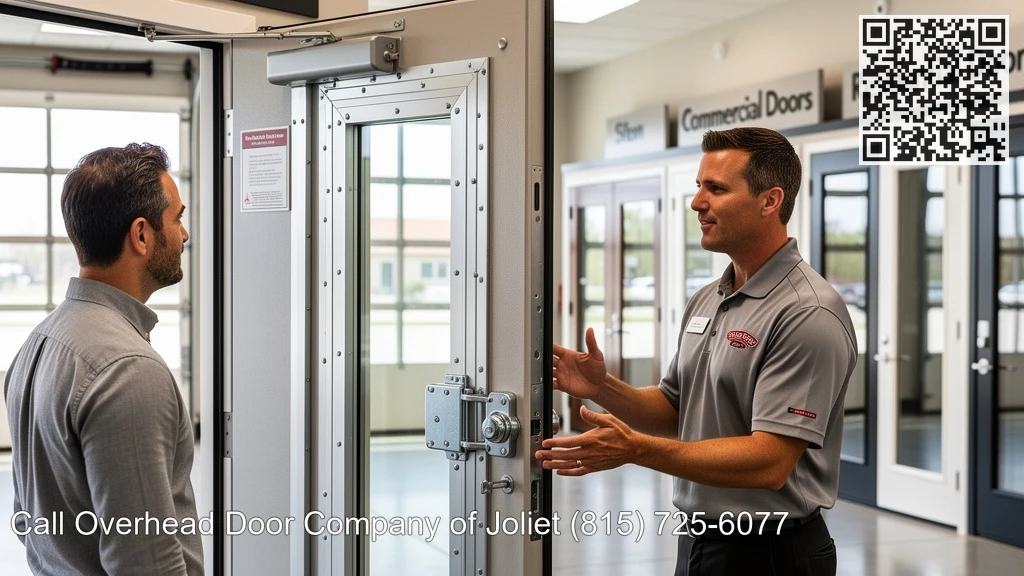
A word on lower bars. A missing out on seal or a curved angle at the bottom includes noise and rubbing. Replace seals when broken or squashed. A new neoprene or brush sill often brings back smooth closing and enhances smoke resistance, which is the distinction between an annoyance odor and an evacuation.
Annual decline testing without drama
NFPA 80 anticipates an annual test, and https://ericktsfl378.huicopper.com/specialist-tips-for-fireking-garage-door-repair-service-to-maintain-your-facility-safe numerous insurance firms request for documentation throughout audits. I prefer a two‑stage process: a dry run after upkeep, after that the witnessed examination with the safety and security policeman or examiner present.
Here is a crisp list for your prep day that will certainly conserve you from red tags later.
- Verify the path: clear pallets, signage, or conduit within 18 inches of the drape and lower bar path.
- Clean and examine: vacuum the head location, wipe release chains, look for frayed wires, and validate guides are plumb.
- Exercise releases: trip each fusible link or mechanical launch by hand and reset, making certain the clutch involves and disengages properly.
- Time the descent: place marks on the overviews, execute at the very least 2 declines, and document rate and observations.
- Coordinate signals: with the smoke alarm vendor, validate the release circuit logic and the power shunt to the electric motor operator.
During the seen examination, use the actual fire signal. Allow the inspector see the operator power cut, the launch trip, and the door descend at regulated speed to complete closure. Show reset procedures that match the maker's publication, not a made‑up sequence. I have watched technologies spin an overspeed reset wrong and strip a clutch center, transforming a clean examination right into a four‑hour repair.
Document everything. I include previously and after pictures, the label shot, rate readings, the names of those present, and any parts changed. A one‑page PDF in the center's life‑safety data is gold when inquiries surface after an actual event.
Common failure settings and quick, safe remedies
Let's tackle the greatest hits.
The door quits five inches above the flooring and rejects to seal. Look initially for a misaligned stop screw on the drive side that involves a limitation cam too early. If the door is mechanized, outdated limit settings may additionally be responsible after a slat substitute transformed curtain length. Reset restrictions just after verifying full totally free traveling by hand.
The door bangs at the bottom on launch. That is a mix of reduced spring torque and a sticky governor. Include a quarter transform at once, and open up the governor real estate to examine pads and springs. Contamination by oil haze can make pads polish and reduce damping.
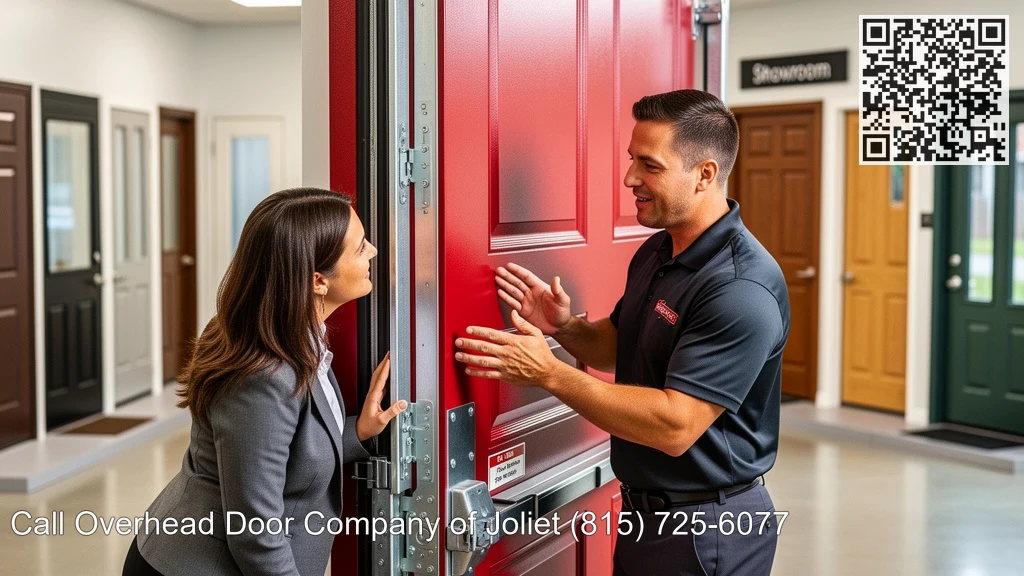
The fusible web link does not separate at examination temperature level. Hyperlinks come with particular rankings, frequently 165 F near ceilings and 212 F in hotter zones. A random container of links is not a clever inventory. Supply the right rankings and change like for like. Never mount a higher temperature web link to decrease problem trips. That is not a hassle, it is a life‑safety signal.
Curtain binds halfway with a shudder. Track pinch or a dinged up slat is most likely. Loosen the overview bolts somewhat, touch the overview back to parallel with a soft club and a 6 foot level, then snug bolts progressively from bottom to top. For a single dinged up slat, you can usually eliminate the lower bar and a couple of slats to swap the harmed one without dismantling the entire door. Mind the label. Change with matching profile and gauge.
Motor hums, door does stagnate after fire reset. The brake is still set or the fire release clutch did not completely reengage. Verify reset sequence and look for a stuck pawl. On some settings up, a tiny misalignment of the reset take care of leaves the clutch 90 percent engaged, which is not nearly enough under load.
When to require Industrial Garage Door Service
If your team manages regular facilities upkeep, you can get rid of lots of concerns. There are lines I do not go across without a trained tech.
- Spring substitute on barrels under tons. Torsion energy is not flexible. If you do not have the bars, locking tools, and the particular procedure for your version, hire it out.
- Welding or correcting architectural overviews. Warmth can misshape the networks and damage the ranking. Replace, do not torch.
- Governor rebuilds and clutch center substitutes. Specialized components and torque specs matter.
- Electrical assimilation adjustments. If you are altering release logic or adding door placement keeping track of to the fire panel, bring in the alarm system specialist along with the Business Garage Door Service provider.
Quality Industrial garage door fixing business earn their go on fire doors. Search for technologies that bring a drop examination kit, a torque chart, a stock of accepted fusible links, and that talk about the label before they touch the door. If they recommend non‑rated slats to conserve a week of lead time, keep looking.
The junction with Industrial Garage Door Installation
New tasks are where you cook in less migraines later on. During Commercial Garage Door Installation for a fire‑rated opening, demand a pre‑installation conference between the door installer, the fire alarm integrator, and the electric professional. Get 3 products crystal clear.
The launch reasoning. Choose whether the door will certainly drop on smoke, warm, or basic alarm, and verify monitored circuits back to the panel. Settle on power shunt timing for motorized devices so the operator brake continually opens before the release trips.
Headroom and gain access to. Fire doors despise confined pockets. You require area for the barrel, the guv, and a risk-free arc for the chain hoist. Strategy clear ladder access to the go to future service.
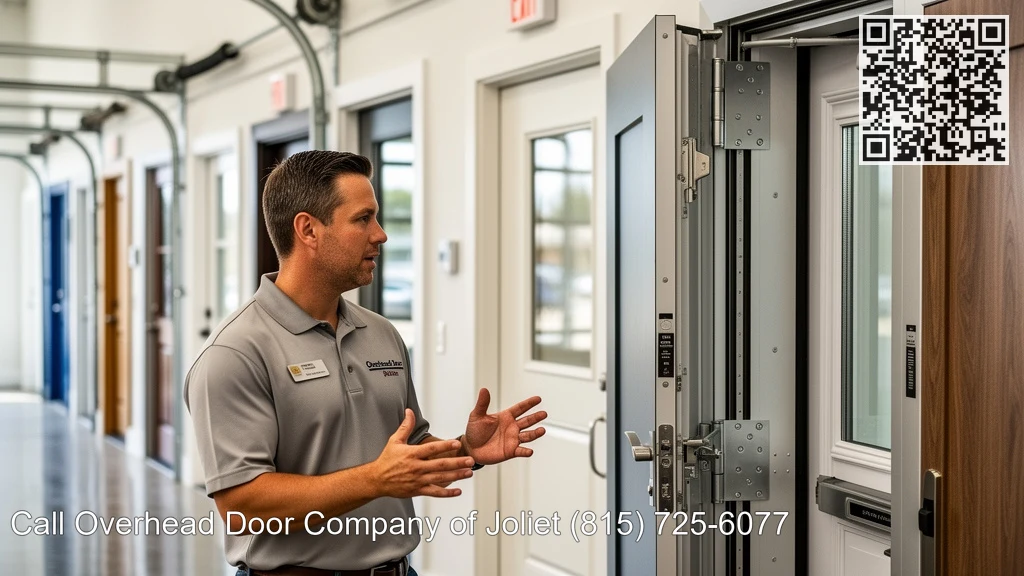
Finish and signage. Preparation a paint plan that conceals relocating parts and tags. Add an indication at eye degree: Fire Door, Do Not Block. It functions, so as a daily tip to forklift operators.
A well orchestrated garage door setup pays you back for years. Positioning stays real, circuitry is clean, and your initial annual examination reviews like a list, not a rescue mission.
Inventory and saves that make sense
If you run a campus with numerous FireKing doors, a tiny bin of approved spares minimizes downtime and keeps your label satisfied. Believe in terms of consumables and most likely wear items instead of deep stock.
Carry fusible web links in the specific temperature rankings mounted, stainless wires ranked for your door sizes, lower bar seals in the appropriate profile, and a governor pad set if your version supports field pad adjustments. Maintain a pair of chain connectors and a length of matching hand chain for hoists. Shop a laminated duplicate of the decline examination type and a torque chart in the same bin. I additionally identify a couple of blue shop cloths for fire door usage only, so greasy cloths from the forklift bay don't migrate as much as the head assembly.
Avoid the lure to supply slats. Slat accounts vary, and an inaccurate profile might fit yet will scrub or leakage. Order to classify when needed.
Training the team that deals with the door
Operators make or damage fire door health. 5 minutes of training for change leads keeps the doors from becoming rack space.
Show them how much to maintain pallets and cling wrap from overviews. I like a yellow floor stripe 18 inches from the overview face. Show the noise of a happy chain hoist and how to stop if the door really feels rough. Instruct them to call upkeep if they see shavings, repaint flakes on links, or a bottom bar that no more kisses the sill.
Most of all, demystify the reset. After a drill, a simple table card near the driver with the appropriate reset series conserves telephone calls and prevents forced movements that bend components. Never ever have a "store hack" reset that varies from the manufacturer's steps.
A narrative from a smoky Tuesday
A warehouse customer called after a tiny packaging fire stumbled their alarms. 3 fire doors did their task. The fourth stopped 6 inches high and let smoke press past. We arrived to discover excellent maintenance logs, clean guides, and a healthy governor. The wrongdoer was nearly awkward, a flooring mat wedged under the sill that no one noticed throughout drills since the floor covering lived there for many years. It had a beveled edge that let the bottom bar adventure up simply enough to fail seal.
We moved the floor covering, cycled the door, and retested. It closed tight. The customer added a yellow overview on the floor and a monthly flooring inspection by janitorial. Often the fix is not in the headbox. It is at your toes.
Budgeting wisely for reliability
Facilities ask what a responsible annual spending plan appears like for fire doors. For a mid‑size website with six to ten fire‑rated doors, expect annual solution in the variety of 1,200 to 3,000 bucks, depending upon traveling and market prices. Parts turn this widely. A new governor package may include 400 to 900 dollars, a set of appropriate slats for a 9 foot by 9 foot door can run 600 to 1,200 bucks plus labor. Replacing a barrel spring is generally a four to eight hour job with parts at several hundred dollars.
Spend first on cleaning, positioning, and release honesty. Those hours avoid the big tickets. Schedule the annual decrease examination a couple of weeks before your life‑safety audit so you have time to buy parts if needed. Treat it like preventative medicine, not a surprise exam.
A final calibration: safety first, speed second
Everyone enjoys a door that flies up on a busy dock. Fire doors do not appreciate your shipping target. Their job is to shut accurately in the worst min of the year. Balance your daily comfort with safety. Set electric motor speeds conservatively. Keep hand chains available and in sleeves so they do not entangle. Change worn deals with that make someone pull hard and off axis.
If you remember absolutely nothing else, remember this pairing. Maintain the launch path clean, and secure the tag. Those 2 practices transform Business garage door repair work from emergency situation calls into quiet, predictable service.
Where your solution companions fit
A solid relationship with a regional service provider of Industrial Garage Door Solution makes the entire program hum. Request specialists educated on your specific FireKing versions, not simply generic curling doors. Share your examination routine so they can pre‑stock the best components. Loophole in your emergency alarm business for the signals. If you are planning Business Garage Door Installment of a new rated opening, bring everybody to the table early.
Well looked after, a fire‑rated garage door can run years. I preserve sites with initial doors from the late 1990s that still drop within 8 to 10 inches per 2nd and reset easily. That is not luck. It is technique, paperwork, and focus to the unglamorous components like cable televisions, links, and a painted side that never touches the guide.
The reward is not simply a passed evaluation. It is the day you scent smoke in the mezzanine, struck the alarm system, and enjoy the drape glide down, seal to the sill, and maintain that smoke where it belongs. That is a door doing its work. That is your center staying risk-free. And that is why this work matters.
 Ask ChatGPT
 Ask Grok
 Ask Perplexity
 Ask Claude
 Ask Google AI
 Ask You